Logistics Strategy Services: How Businesses Build Smarter, Faster, Leaner Supply Chain Networks in 2026
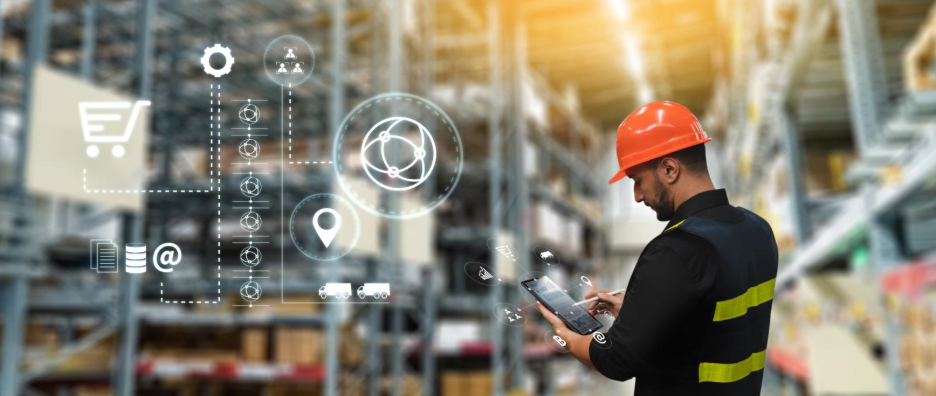
In the hyper-accelerated economy of 2026, the traditional supply chain has undergone a fundamental metamorphosis. We have moved beyond the “Just-in-Time” models of the past and the “Just-in-Case” panic of the early 2020s into an era of Predictive Logistics. Today, a company’s network is either a strategic engine for growth or a mounting liability. For global enterprises, the solution lies in sophisticated logistics strategy services. These aren’t merely “advice” sessions; they are deep architectural overhauls that integrate AI in supply chain management, real-time data orchestration, and specialized supply chain staffing to create a resilient, self-healing network. What Are Logistics Strategy Services in Modern Supply Chain Management Consulting? In 2026, logistics strategy services represent the intersection of high-level business goals and granular operational execution. It is the process of defining how an organization will move goods from the point of origin to the end consumer while navigating a landscape of fluctuating fuel costs, labor shortages, and environmental regulations. Modern supply chain management consulting and operations consulting services increasingly combine data-driven planning with real-world operational insight. Leading operations consulting firms and every serious business operations consulting firm now treat logistics not as a cost center but as a competitive advantage. The Four Pillars of Modern Logistics Strategy and Logistics Network Design Network Architecture: Deciding where to place nodes (warehouses, cross-docks, and micro-fulfillment centers). In 2026, this often involves “de-risking” by moving away from single-source origins toward multi-node regional hubs. This approach improves both supply chain optimization and long-term logistics network resilience. Technological Integration: Implementing AI in supply chain management to handle everything from automated procurement to predictive maintenance on autonomous trucking fleets. These digital capabilities improve supply chain visibility and help organizations move toward predictive decision-making. Labor & Staffing Strategy: Managing the human element through supply chain staffing strategies that combine skilled trades, automation technicians, and logistics specialists. Many enterprises now integrate contingent staffing models to scale labor capacity in response to fluctuating demand. Omnichannel Orchestration: Ensuring that the experience is seamless whether a customer buys via an AI shopping assistant, a physical store, or a direct-to-consumer platform. This is now a central component of modern logistics strategy. Challenges in Modern Logistics Strategy: Last-Mile Delivery, Capacity Constraints, and Supply Chain Visibility The logistics sector in 2026 faces “The Great Compression”—the demand for faster delivery is increasing while the physical constraints of urban infrastructure and labor pools are tightening. The Last-Mile Dilemma in Modern Last-Mile Logistics Strategy Last-mile delivery continues to be the “final boss” of logistics. With urban “congestion pricing” and the rise of ultra-low emission zones (ULEZ) in major cities, the cost of the final delivery leg has spiked. As a result, supply chain management services and 3PL management services are rapidly evolving toward innovative solutions including cargo bikes, micro-fulfillment centers, and autonomous sidewalk delivery technologies. These solutions represent a critical evolution in last-mile logistics strategy. The Capacity Paradox: Managing Infrastructure and Automotive Staffing Shortages While there is an abundance of data, there is a physical shortage of capacity. Whether it is a lack of specialized automotive staffing for heavy-duty EV maintenance or limited berth space at automated ports, the modern strategy must account for physical scarcity in a digital world. The Visibility Illusion: Turning Data into True Supply Chain Visibility Many firms claim to have “end-to-end visibility,” but in reality, they have “end-to-end data.” Visibility without intelligence is just noise. The challenge in 2026 is moving from knowing where a truck is to knowing how a three-hour delay will impact 500 downstream customers and automatically initiating a mitigation plan. Digital Twins & Predictive Routing: The AI Revolution in Supply Chain Management Services The most significant leap in supply chain management services over the last year has been the maturation of the Supply Chain Digital Twin. What is a Digital Twin in AI-Driven Supply Chain Management? A Digital Twin is a high-fidelity, virtual simulation of your physical supply chain. It continuously consumes live operational data, from the temperature of cold-chain containers crossing the Atlantic to equipment performance inside a distribution center. By combining predictive modeling with real-time analytics, digital twins dramatically improve logistics network resilience and operational agility. How AI Transforms Routing and Predictive Logistics Networks Traditional routing was “reactive”, a driver saw traffic and took a detour. AI in supply chain management uses “Predictive Pathing.” Macro-Routing: Analyzes global weather patterns, geopolitical stability, and port congestion to shift ocean freight to air or rail weeks before a delay occurs. Micro-Routing: In the urban last-mile, AI agents negotiate with city “smart grids” to find the most efficient delivery windows, avoiding school zones during pick-up hours or high-traffic corridors. These capabilities are redefining supply chain optimization. KPI Frameworks Used by CCO: The 2026 Standard for Logistics Network Resilience To manage a modern network, you cannot rely on 20th-century metrics. CCO Consulting utilizes a proprietary “Resilience & Efficiency Index” to measure the health of logistics strategy services Strategic Deep Dive: Why Agile Logistics Strategy Is Replacing Traditional Lean Models For decades, “Lean” was the goal, removing every ounce of “fat” or “waste” from the system. However, the disruptions of the 2020s taught us that a system with zero waste has zero “buffer” when things go wrong. In 2026, CCO Consulting advocates for “Strategic Buffer” logistics. Dynamic Inventory: Instead of keeping inventory at a minimum, we use AI to determine where “strategic piles” should be kept to prevent stock-outs during global shipping hiccups. Elastic Labor: Utilizing contingent staffing and specialized warehouse staffing agencies to ensure that your “human capacity” can expand and contract without the pain of mass layoffs or desperate hiring surges. Why CCO Consulting for Supply Chain Management Consulting and Logistics Strategy We don’t just hand over a PDF of recommendations. We provide: Embedded Experts: We place supply chain staffing specialists directly into your operation. Tech-First Approach: Our strategies are built on the backbone of the latest AI in supply chain management. Operational Grounding: Our consultants have